
You are not bad at meditation. You were taught the wrong kind.
Most meditation asks you to concentrate, focus or empty your mind. Sahaj Samadhi asks for none of that. It is effortless by design, and a free introductory session shows you how.
- No concentration, no controlling your thoughts
- Once learnt, you practise on your own — no app, no headphones
- Taught by Art of Living teachers
Book your free session
Takes 30 seconds. We confirm on WhatsApp.
Has this happened to you?
Tick the ones that are true for you.
Why most people give up
Most of what is taught as meditation is really concentration: watch the breath, focus on the voice, bring the mind back every time it wanders. For a busy mind, that becomes one more task to fail at.
So people conclude they cannot meditate. They can. They were just handed a technique that fights the mind instead of letting it settle.
What you have probably tried
Guided apps
Pleasant while the voice is talking. Without it, you are back where you started.
Watching the breath
Hard work for a restless mind, and it turns meditation into a test of concentration.
Emptying the mind
Impossible by definition. Trying not to think is thinking.
YouTube videos
Endless options, no teacher, and no way to know whether you are doing it right.
Effort is the problem, not the solution. Sahaj means effortless.
How effortless meditation works
Sahaj Samadhi uses a simple sound, a mantra, taught to you personally. You do not concentrate on it or repeat it forcefully. You let it be there, and the mind settles on its own, the way a glass of muddy water clears when you stop stirring it.
Because there is nothing to control, a busy mind is not an obstacle. Many people who could never meditate find it easy for exactly that reason.
- Focus hard on one thing
- Fight every thought that comes
- Feel you are failing
- Nothing to focus on
- Thoughts come and go on their own
- The mind settles by itself
What happens in the free introduction
- 0–10
Why meditation has not worked for you
The difference between concentration and effortless meditation, in plain words.
- 10–25
A short guided experience
A taste of what it is like when the mind settles without effort.
- 25–40
Your questions
Including the sceptical ones.
- 40–45
How Sahaj Samadhi is taught
The program, how it is taught personally, and what it involves. Said once.
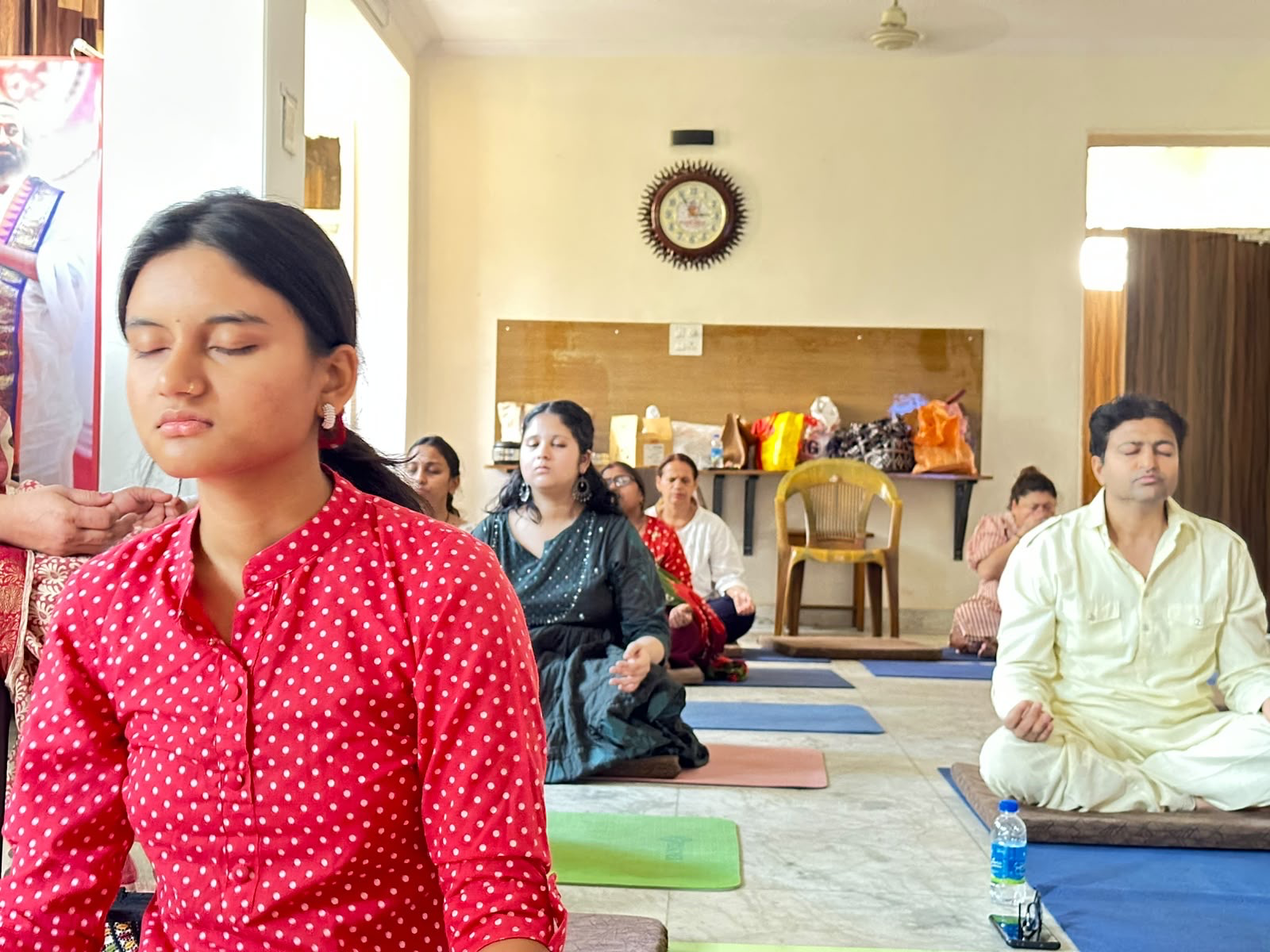
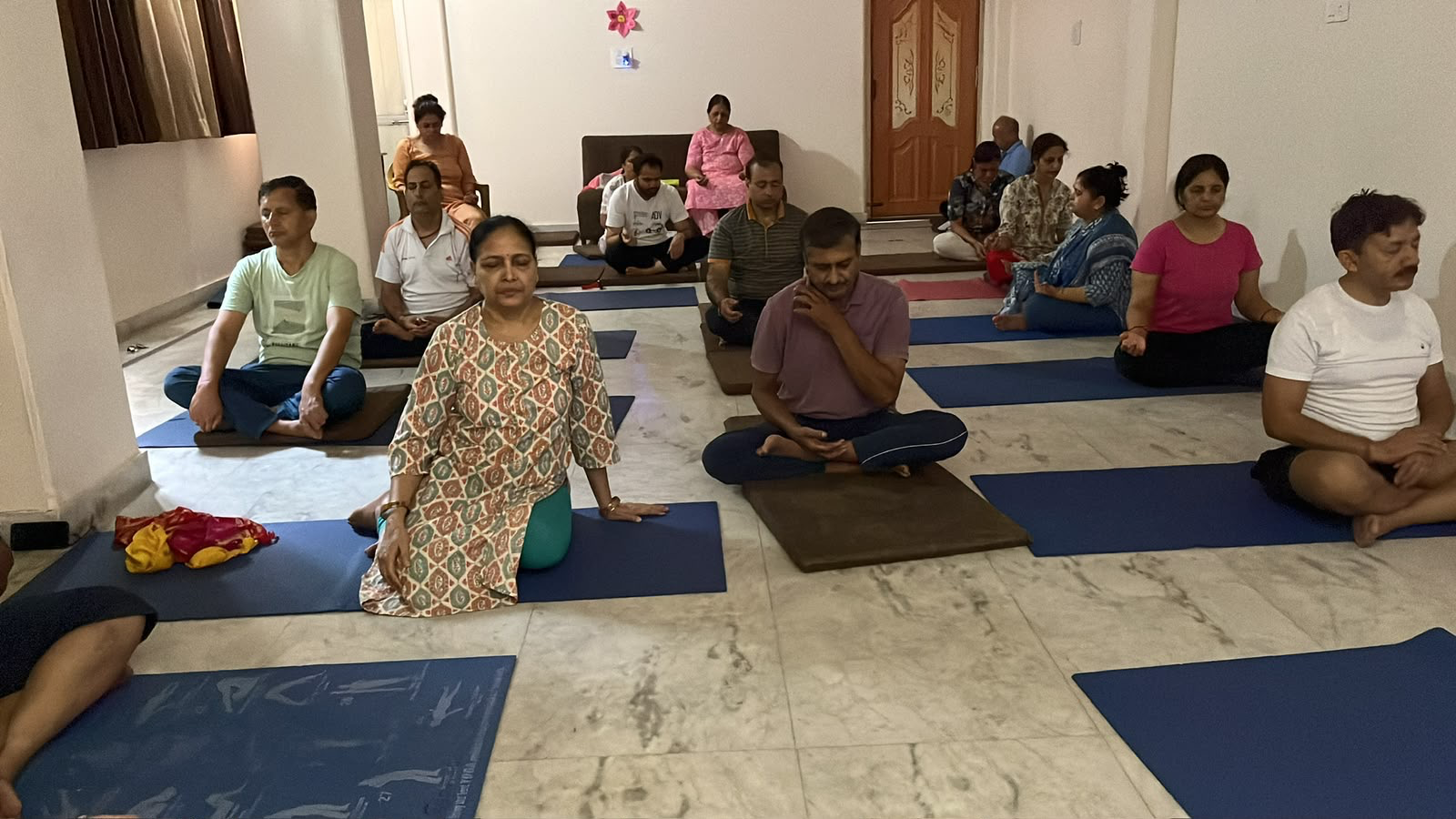
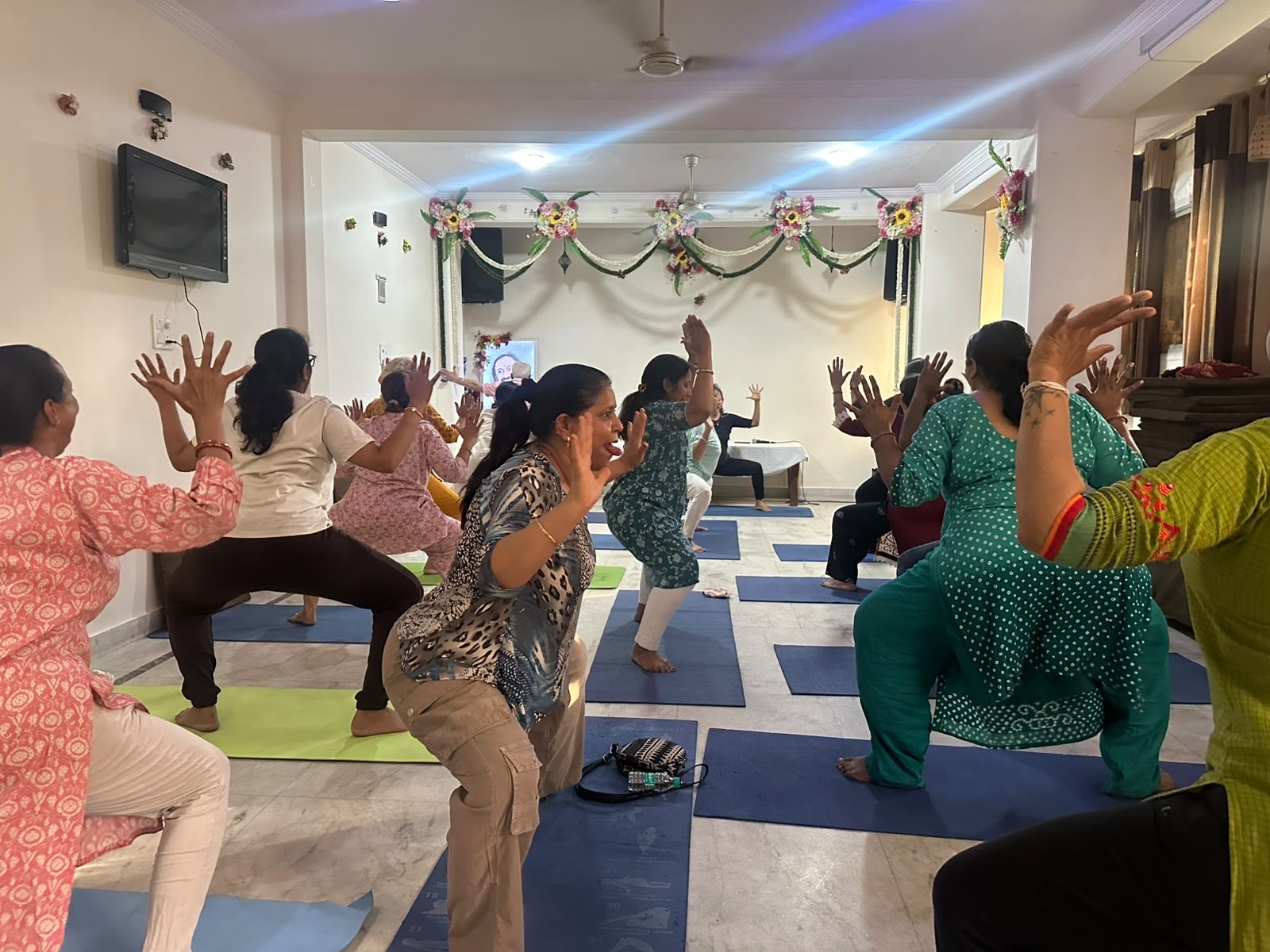
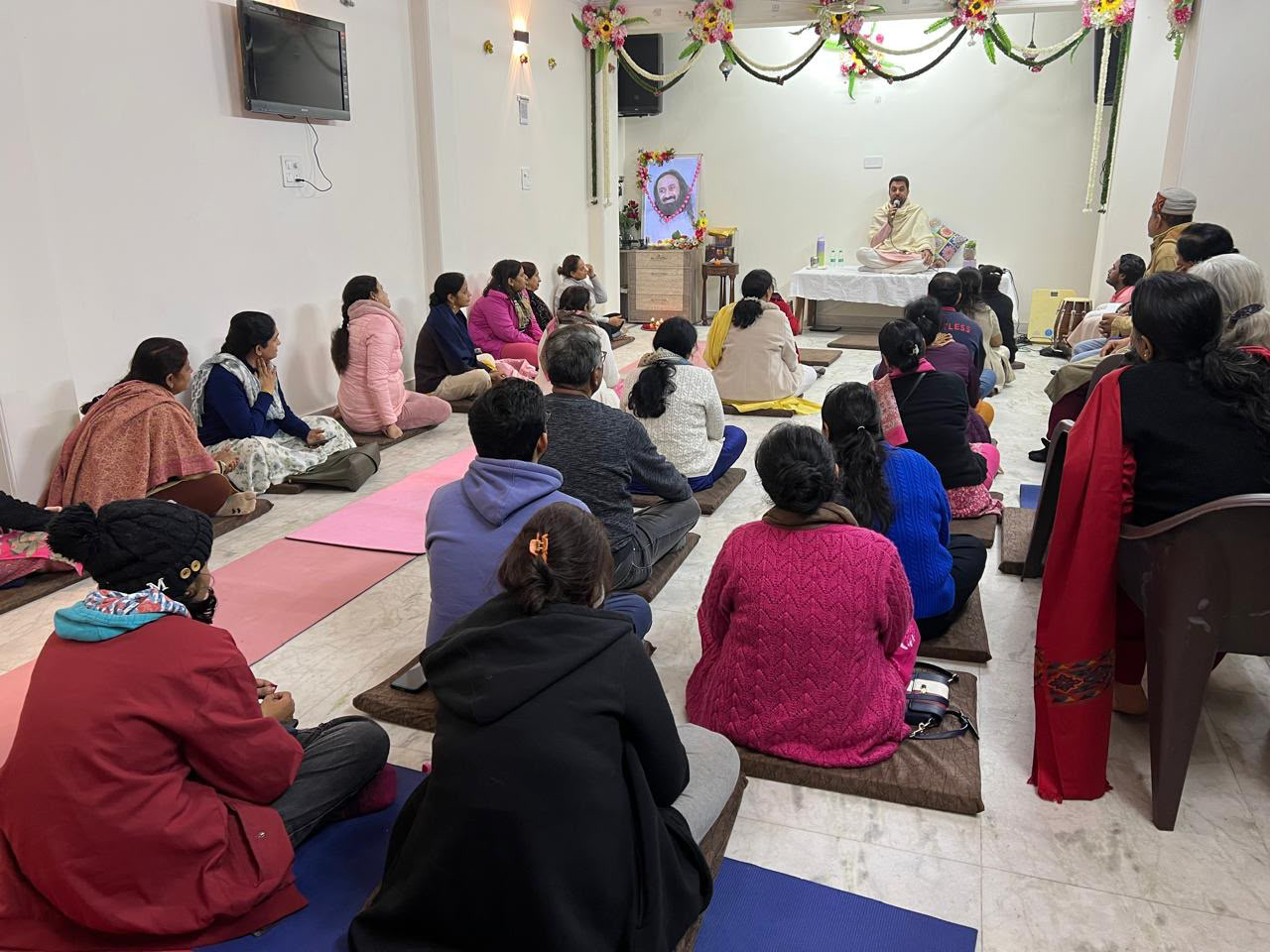
Inside our centre in Sector 11, Rohini
Real sessions, real people from North Delhi. This is the room where the Sunday session happens.
Your teachers
The free sessions are led by three Art of Living teachers. Each session shows who is leading it, so you know who you will meet.
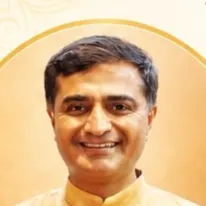
Atul Saini
Art of Living teacher since 2008 · Entrepreneur
Associated with the Art of Living for 26 years and teaching since 2008. An entrepreneur himself, Atul knows what a mind carrying work, business and family feels like, and teaches practical ways to put that weight down every day.
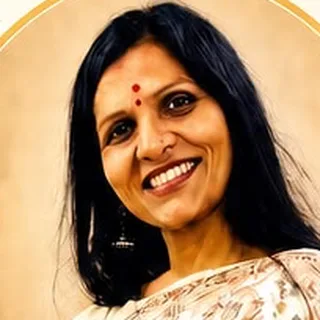
Savitri Ji
Art of Living teacher since 2008
Savitri Ji has been teaching Art of Living programs since 2008 and leads regular Happiness Program batches at the Sector 11 centre in Rohini. Warm, patient and practical, she makes the first breath practice feel easy for everyone in the room.

Vinay Kumar
Art of Living faculty · Yoga expert · 15+ years
An experienced Art of Living faculty member and yoga expert with more than 15 years of guiding people towards greater happiness, inner calm and a stress-free life.
Real people. Real change.
An IT professional, a business owner, a homemaker and a medical professional on what changed after learning Sudarshan Kriya.
Swipe to see more →
Leave your details
New session dates are being fixed. Leave your details and we will tell you first.
Where we meet
Online sessions are on Zoom. The joining link comes on WhatsApp after you sign up.
Centre sessions are held here:
The Art of Living Happiness Centre
C3-81, Pocket 3, Sector 11C, Rohini, Delhi 110085
Have a question before you sign up? WhatsApp +91 70424 80072
Book your free session
We call to confirm. Your number is never shared.
What people ask before they come
Do I need to have done the Happiness Program first?
Many people take Sahaj Samadhi after the Happiness Program, but it is not always required. The teacher will guide you on what suits you.
I have far too many thoughts to meditate.
That is exactly who this is for. Sahaj does not require you to stop thoughts.
Is the mantra religious?
No. It is a sound used for its effect on the mind, not a prayer, and people of every faith practise it.
How long does the practice take each day?
About 20 minutes, twice a day if you can, once if you cannot.
How is it different from the apps?
It is taught to you personally by a teacher, and once learnt it needs nothing: no phone, no headphones, no voice guiding you.
When is the next introduction?
Dates are announced regularly. Leave your details and we will message you the next one.
Try meditation that does not fight you.
Free, no experience needed, and no need to be good at sitting still.
Tell me about the next session